-
Sep 26, 2016, 12:19 pm1.8k ptsInteresting Special Content
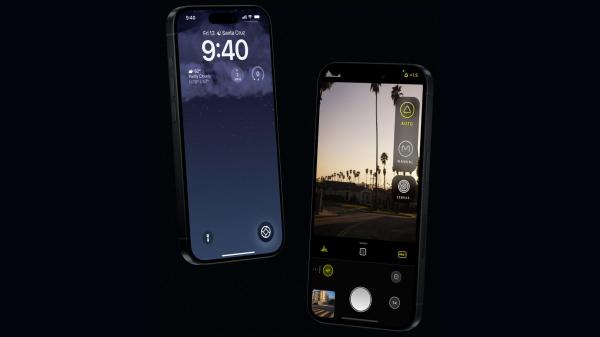
On the 7th September, the Bill Graham Civic Auditorium in San Francisco played host to the 2016 Apple iPhone 7 launch event - an event this year distinguished more for the media buzz over an absent headphone port than a roll call of genuine product innovations. There was however a definite ripple of excitement through the 7,000-strong crowd of tech enthusiasts who had booked tickets for the occasion, at the sight of a guest appearance by Mario creator Shiguro Miyamoto.
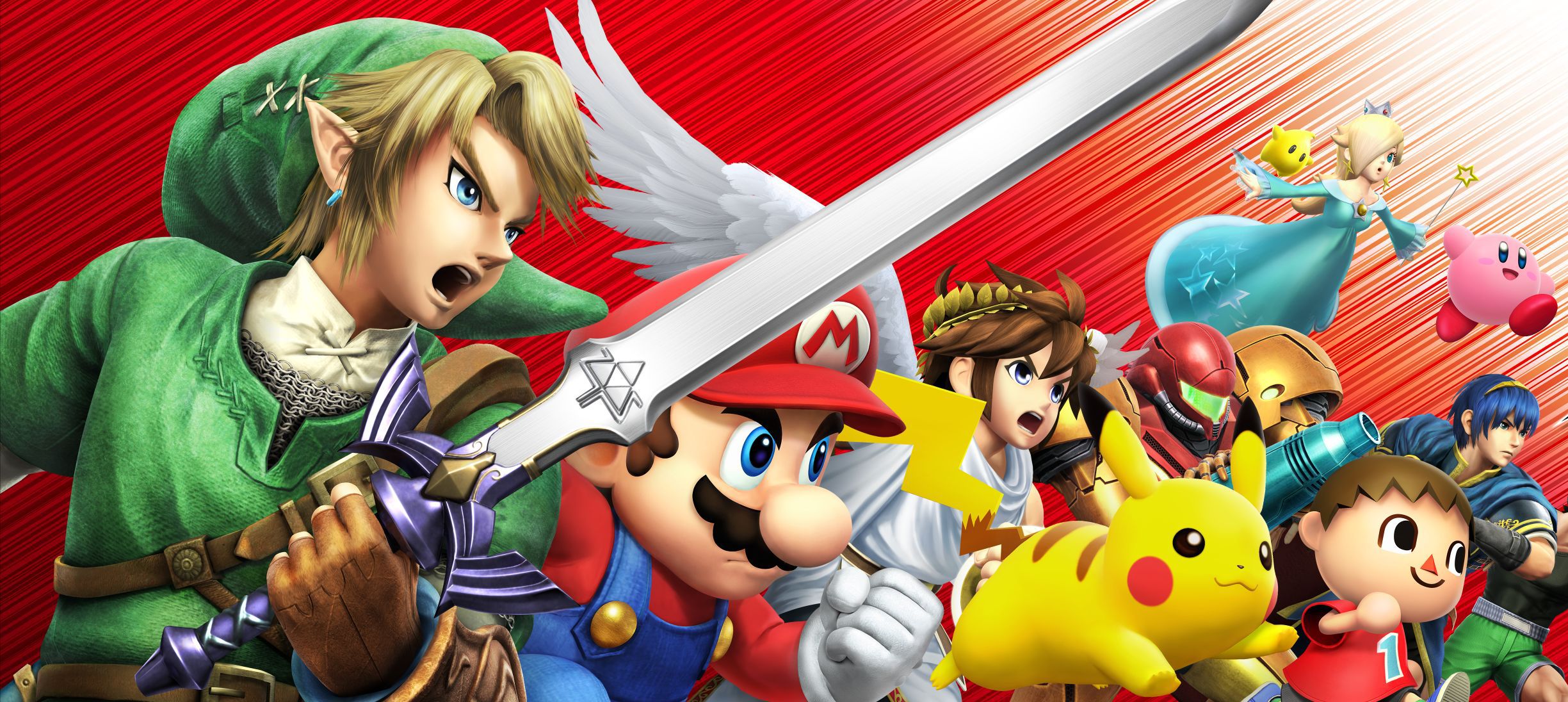
Miyamoto, in his role as Creative Fellow and lead game developer at Nintendo, joined Apple CEO Tim Cook on the stage to showcase the forthcoming release of the first mobile game app from the Super Mario stable.
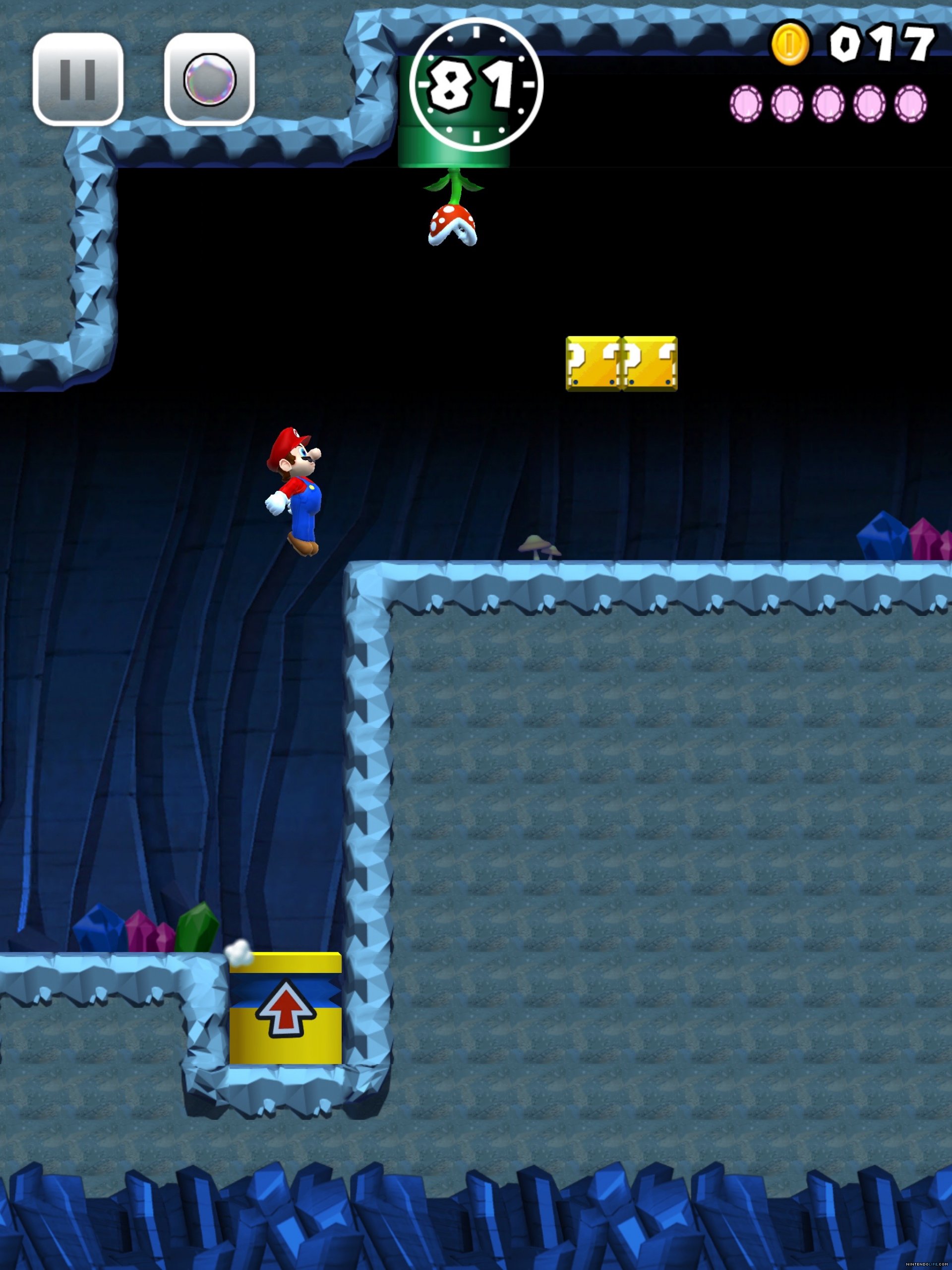
Super Mario Run will be made available as a download for iPhone users in December. So iOS gets Mario before Android or anyone else. I want everyone around the world to enjoy Mario, remarked Miyamoto, adding and theyll be able to enjoy it on iOS first.
An Android version of the game is bound to follow at a later date, but the initial exclusivity of this arrangement makes for the first official collaboration between two of the tech industrys most prominent names, and certainly merits closer inspection.
When Platforming, Timing is Everything
Source: metro.co.uk
On grounds of mutual convenience, the timing of this move makes good sense for both parties.
Apple has a shiny new operating system to introduce in the form of iOS 10, and a new generation of smartphone courtesy of the iPhone 7 series to run it on. Benchmark tests show the new phones to be snappy, with processing speeds some 20% faster than the iPhone 6S, and screens 25% brighter than previously.
The new A10 Fusion chip, with its quad-core configuration, should handle a well-optimized mobile game with lan and it doesnt get better in the optimization business than releasing a game on a single platform.
For Nintendo, the mobile gaming market doesnt exactly qualify as uncharted territory. They scored a roaring success across multiple platforms earlier this summer with the app launch of AR-smart Pokmon Go. Within hours of its release, shares in Nintendo doubled in price, and though sanity was restored to the market on investors collective realization that the creative work had actually been handled through Niantic Labs rather than developed in-house by Nintendo, its hard to see how the company can entirely avoid making a profit from a 32% stake in a game that, at an estimated 500 million downloads in early September, has become the most widely-distributed mobile game to date.
Where Pokmon Go went, Nintendo intends Mario to follow. Theres a tremendous appetite for retro-games right now, updated and re-envisioned for our smartphone generation as people seek to recapture the playability of those classic arcade-style console games they grew up with. The widespread popularity of casino and poker apps available for download is a good indication that old, classic games fit snugly within the streamlined profile of the modern mobile gaming experience, where clever game mechanics and bold punchy graphics take precedence over complex 3D effects and raw processing power. It ultimately comes down to gameplay, and even younger audiences are quick to appreciate old-school game mechanics, especially if offered in smartphone format.
All things considered, Mario, Nintendos bestselling and most widely-recognized videogame franchise, should hit the ground running. Or so the theory goes. The extravagantly mustachioed plumber is a blockbusting brand unto himself. Having shifted more than 550 million units in his thirty-year reign, the word iconic doesnt really do him justice. He can certainly brighten up the balance sheet, and hed look good on any one of the billion or so iPhones sold since the first version launched in 2007. With a potential market reach like that, you can see why Nintendo thought the Apple ecosystem might be worth a punt.
And of course, the same goes for Apple, too. The brand appeal of Mario will work to pull consumers over to iOS. Come to Apple if you want to play the latest Mario game. Come sit in our exclusive walled garden and warm yourself gently in the golden sunshine of your youthAgain, so the theory goes. After all, what could possibly go wrong?
Shin Splints
Source: forbes.com
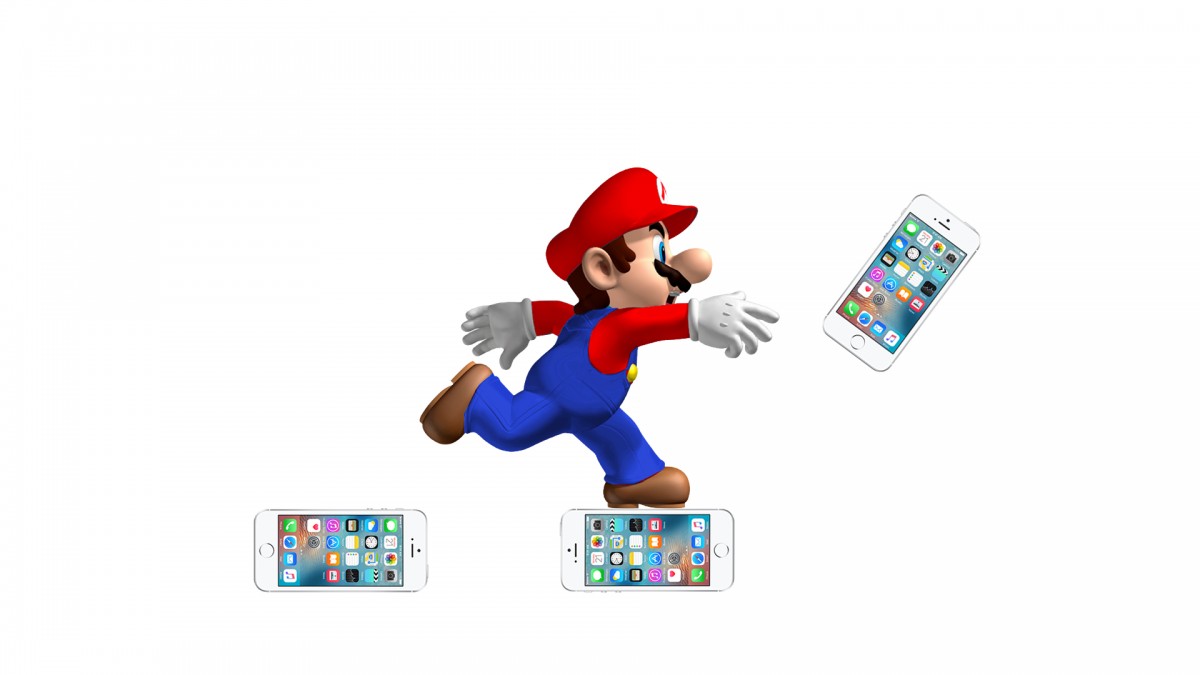
In some very crucial ways, Apple and Nintendo are in remarkably similar positions. Both companies dominate their respective fields, and they do it with flagship brands. The iPhone range, Mario and Pokmon. Macs and the NES. Some kind of interplay between these two tech giants was surely inevitable at some point. So on the face of things, the Super Mario Run project looks like an extremely smart and mutually beneficial move.
Beneath the surface, though, bubbling away ominously, there may be problems brewing, as inancial challenges could lie ahead for both Nintendo and Apple. The post-Jobs travails of Apple have been in the spotlight all too often recently, with a prevailing feeling among critics that something, somewhere, has been lost. Operating system updates have gone less than smoothly, patching has been patchy, design decisions and iterative tweaks have not been met with the same rapturous acclaim as once they were. The sector itself edges ever closer to saturation point, and there is no doubting that the high-end smartphones of today must work so much the harder to stand out in such a crowded and busy marketplace.
Nintendo too has something of a problem on its hands, and here too, its vulnerabilities are both exposed to the ruthless glare of public scrutiny, and entirely of its own creation. That creation being, namely, the Wii U, which was launched like a sock full of wet sand in 2012 as the half-baked successor to the highly popular Wii and has been slowly sinking in a mire of consumer disinterest ever since. Not waving, not drowning, but just sort of flopping limply in the shallows as the big software developers such Ubisoft and Bethesda Softworks edge away discreetly. The Wii U has sold around 11 million units at the time of writing, figures which sound pretty respectable, but only when stripped of context the original Wii shifted ten times that number when it was released to a much smaller market back in 2006.
So for Nintendo, theres a lot riding on this venture, and past mistakes to make up for. For Apple too, this is likely to be the case as it sees its sphere of influence flicker, and competitors from Samsung to Huawei closing in on its smartphone business.
Save Points
Source: nintendolife.com
Collaboration might be just the thing to breathe new vigor into both companies; an exchange of ideas is always helpful to any field of human endeavor, and the tech industry, with all its ergonomic curves and sleek cutting edges, is ultimately run by humans, for humans and so becomes subject to the vagaries of human nature. If Pokmon Go set the trend, then Super Mario Run is likely to do well, and both Nintendo and Apple will profit from the experience. But trends change; thats why theyre called trends. And for both companies, theyre worth keeping an eye on.
Trending Today on MacHash






MacHash is your real-time Apple news aggregator, delivering the latest headlines on Apple, Mac, iPhone, iPad, and iOS from top sources across the web.
As a powerful content discovery platform, MacHash continuously curates breaking news, product announcements, software updates, reviews, and industry insights related to Apple Inc. and its ecosystem.
MacHash helps you stay informed on everything from macOS and iOS developments to Apple Watch, AirPods, and the latest in tech and app innovation.
Access MacHash from your desktop or mobile device to explore, follow, and share the most trusted Apple news all in one place.