For a long time, technology sold itself on certainty. You pressed a button and something happened. The software responded cleanly. Progress felt linear. The promise was control. Learn the system and it would behave as expected.
That promise has quietly shifted. Modern digital experiences no longer revolve around predictable outcomes. They revolve around likelihood. Updates arrive when they are ready. Features roll out gradually. Feeds refresh with content you did not ask for but might enjoy. What matters is not what will happen, but what might.
Users have adapted faster than designers often acknowledge. We no longer expect every interaction to resolve cleanly. We expect variation. We expect a delay. We expect that repeating the same action tomorrow might produce a slightly different result.
This change becomes most obvious when you notice how closely everyday interfaces now resemble jackpot slots where probability rather than instruction governs the experience and anticipation becomes part of the value rather than a flaw to be corrected.The comparison is less about gambling itself and more about structure. Jackpot systems are built around the idea that the next moment could differ from the last, even if the action remains identical. You press, swipe, refresh, or return, not because you are certain of a result, but because the possibility of variation makes the interaction feel alive.
Digital platforms increasingly echo this logic in subtle ways. A timeline reveals new material without being asked. A long awaited feature appears quietly overnight. Even software updates arrive with a sense of stagger rather than schedule, reminding users that outcomes are often shaped behind the scenes. Like watching a jackpot total climb, there is a quiet awareness that something is always in motion, even when nothing immediately changes on the surface.
From Control to Anticipation
Early software rewarded mastery. Learn the shortcuts. Understand the menus. Efficiency was the goal. The system worked best when the user understood it completely.
Today, many platforms operate on partial understanding by design. Algorithms make decisions on our behalf. Recommendation engines surface options without explanation. The user is invited to engage, not to oversee.
This does not represent a failure of design. It represents a different philosophy. Rather than offering certainty, modern systems offer engagement through variability. The experience stays fresh precisely because it cannot be fully predicted.
Why Users Accepted the Shift
One reason users have embraced this change is that it mirrors how life already feels. Few outcomes are guaranteed. Timing matters as much as effort. Being present often matters more than being precise.
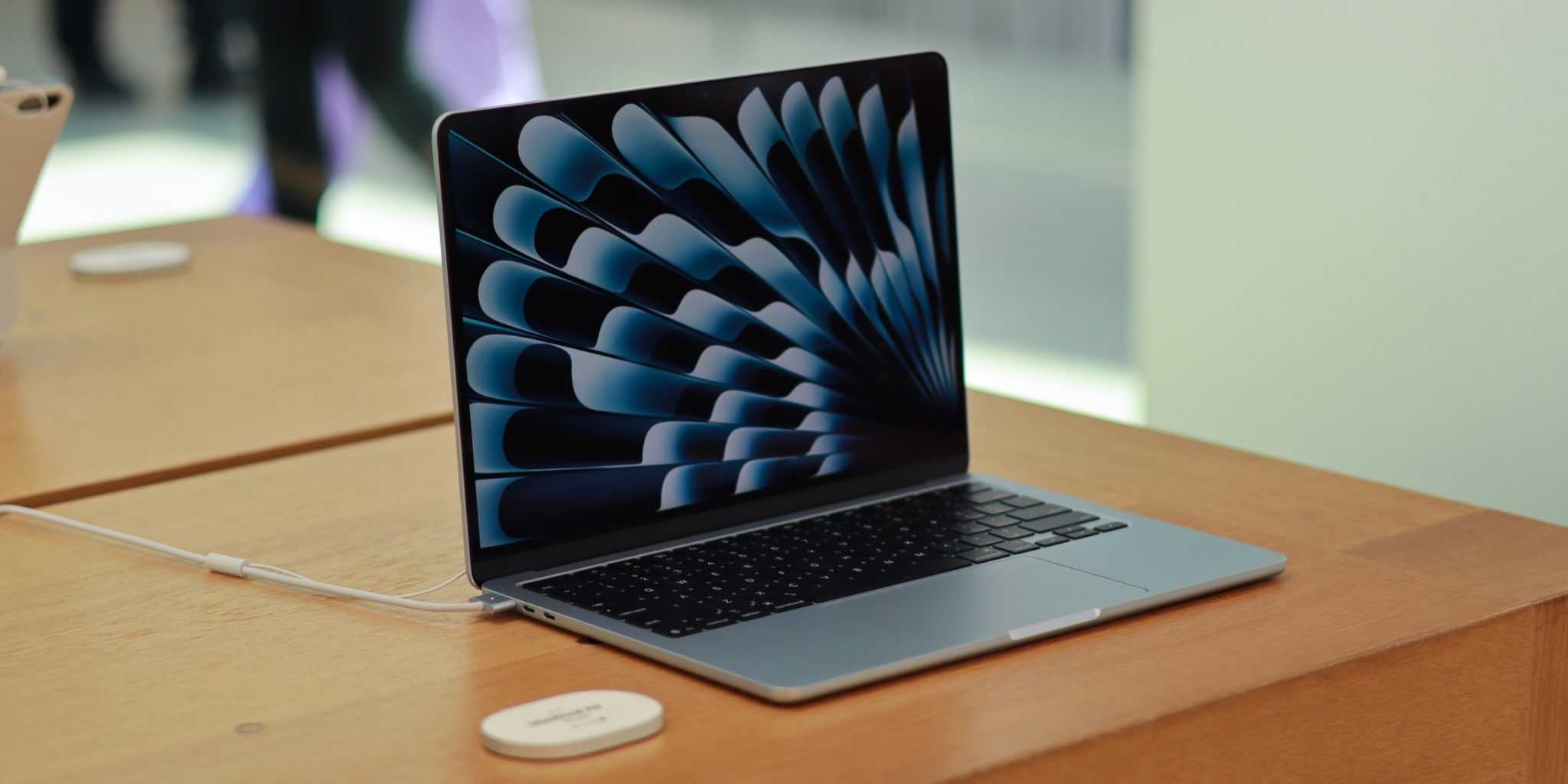
Digital products like Apple that reflect this reality and upgrade in user interface, feel more intuitive than those that insist on rigid logic. A feed that changes slightly each time you open it feels alive. A system that behaves exactly the same way can feel static.
Probability introduces texture. It creates small moments of surprise without demanding high stakes.
Design That Invites Return
Designers have learned that certainty ends engagement quickly. Once a system is fully understood, it risks becoming boring. Probability keeps the door open.
This is why so many modern experiences are built around accumulation. Progress bars fill slowly. Rewards appear intermittently. Improvements arrive in increments. The user is encouraged to return, not to complete.
The goal is not resolution. It is continuity.
The Ethics of Uncertainty
This shift raises valid questions. Systems built on probability can drift into manipulation if users are not respected. When outcomes are obscured entirely, trust erodes.
The most successful platforms balance uncertainty with transparency. Users may not know exactly what will happen, but they understand the boundaries. The system feels fair, even if it is unpredictable.
This distinction matters. Probability works best when it invites curiosity rather than dependency.
Familiar Patterns in New Places
Once you notice probability as a design principle, it appears everywhere. Software updates that roll out in waves. Features tested quietly before wider release. Notifications that arrive at irregular intervals.
These patterns are not accidental. They are responses to how users behave. People return more often to systems that feel dynamic. They stay longer when outcomes are not fully known.
This does not mean users are passive. It means they are participating in a rhythm rather than executing instructions.
Why This Feels Normal Now
What would once have felt unreliable now feels standard. Users no longer expect instant answers. They expect processes. Waiting has become part of the interaction.
This normalisation of probability has changed how success is measured. Engagement matters more than completion. Retention matters more than mastery.
The user experience is no longer a straight line. It is a loop.
When Expectation Becomes the Product
As probability has moved closer to the centre of user experience, expectation itself has become something designers actively shape. Notifications are timed. Rollouts are staggered. Even silence is often intentional.
The time between interactions is not just neutral time; it is a designed time that conditions the user to check back without being prompted. There is a blurring of the distinction between function and emotion. The user does not just use the product; they live in a pace defined by the system. There is an experience that unfolds over time rather than an experience that is completed.
Living With Likelihood
Probability did not enter digital life suddenly. It crept in gradually, alongside algorithms, personalisation, and adaptive systems. Users learned to live with it because it reflected their own experience.
Technology did not abandon control entirely. It redefined it. Control now means choosing when to engage, not dictating what happens next.
In that sense, probability did not weaken the user experience. It deepened it. By making outcomes uncertain, modern systems made interaction feel more human.

 Special Content